Project brief: Cambridge Core (our academic platform) was going through a major platform shift and the leadership required a concrete vision to guide the platform strategy. We focused on the most visited asset the Article Page to define what 'good' must look like for the future. I partnered with the Head of UX and our Director to translate business requirements into a tangible “North Star' vision”
Role: Lead Designer (Strategy & Ui)
Team: Co-led with Head of UX & Director
Timeline: 3-Week Sprint (Oct 2025)
Focus: Product strategy, Prototyping, Stakeholder management
The UX Problem
Academic interfaces are notoriously dense. Between the abstract, citations, author details, and metrics, users are often overwhelmed.
The Focus
We didn't have time to redesign the whole platform. We had to be strategic. We chose to focus exclusively on the Article Page because it accounts for the vast majority of user traffic.
The Contraint
It had to be technically feasible for a vendor to build, but aspirational enough to set a new standard.
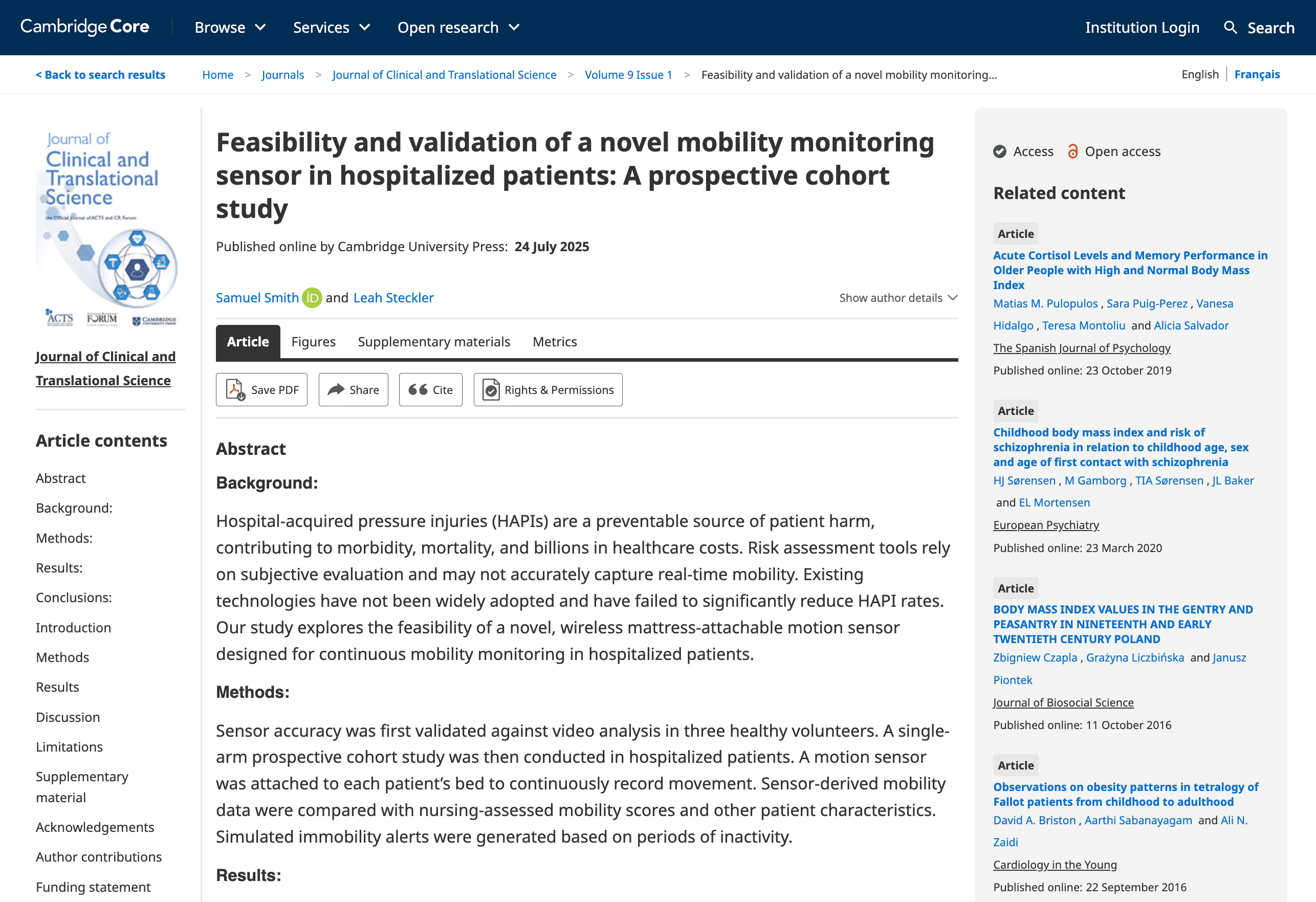
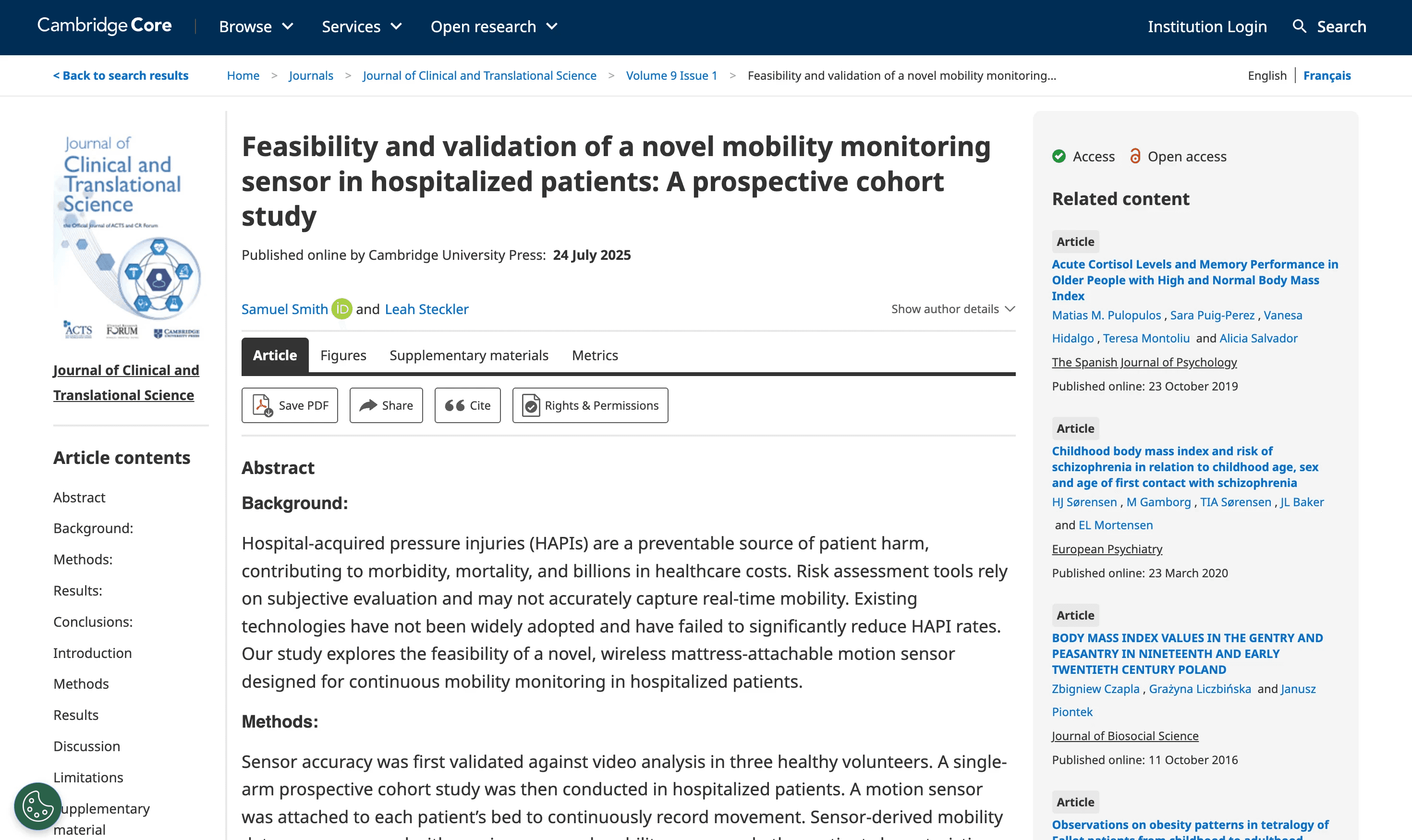
With a tight 3-week deadline, we couldn't run a full research cycle. To de-risk our design decisions, I conducted a rigorous Heuristic Evaluation against our direct competitors: Taylor & Francis (T&F), Oxford University Press (OUP), and our own Cambridge Core.
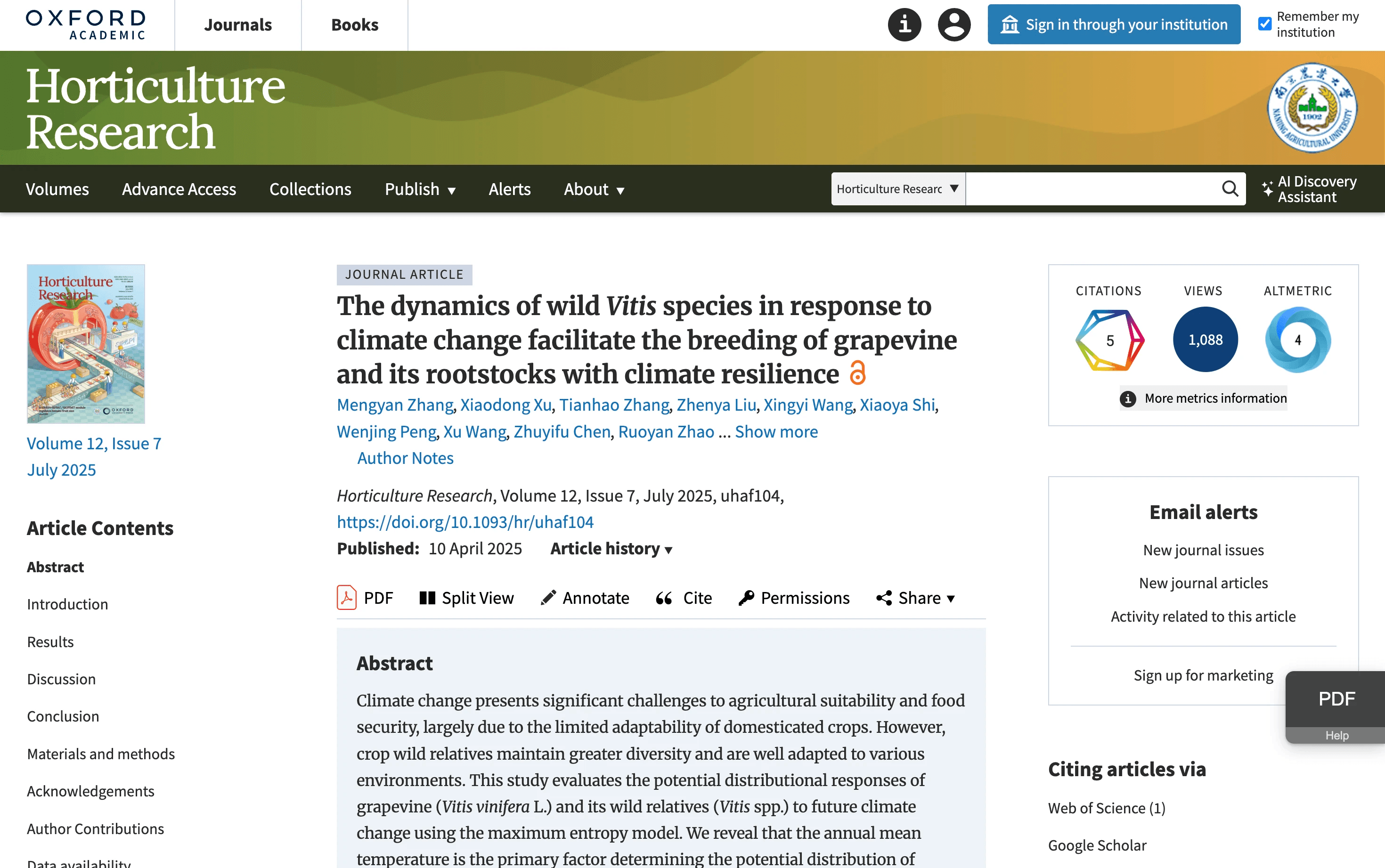
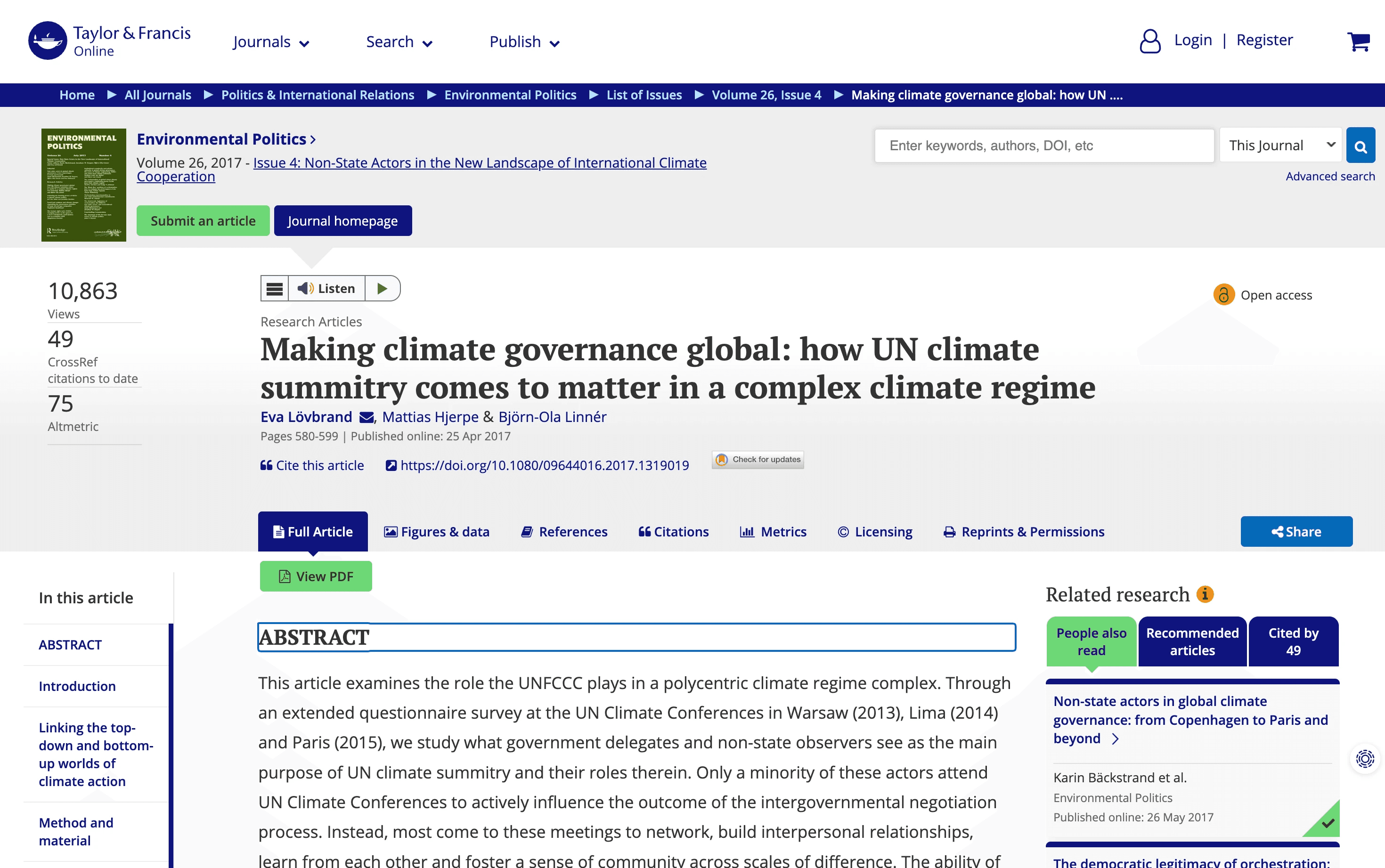
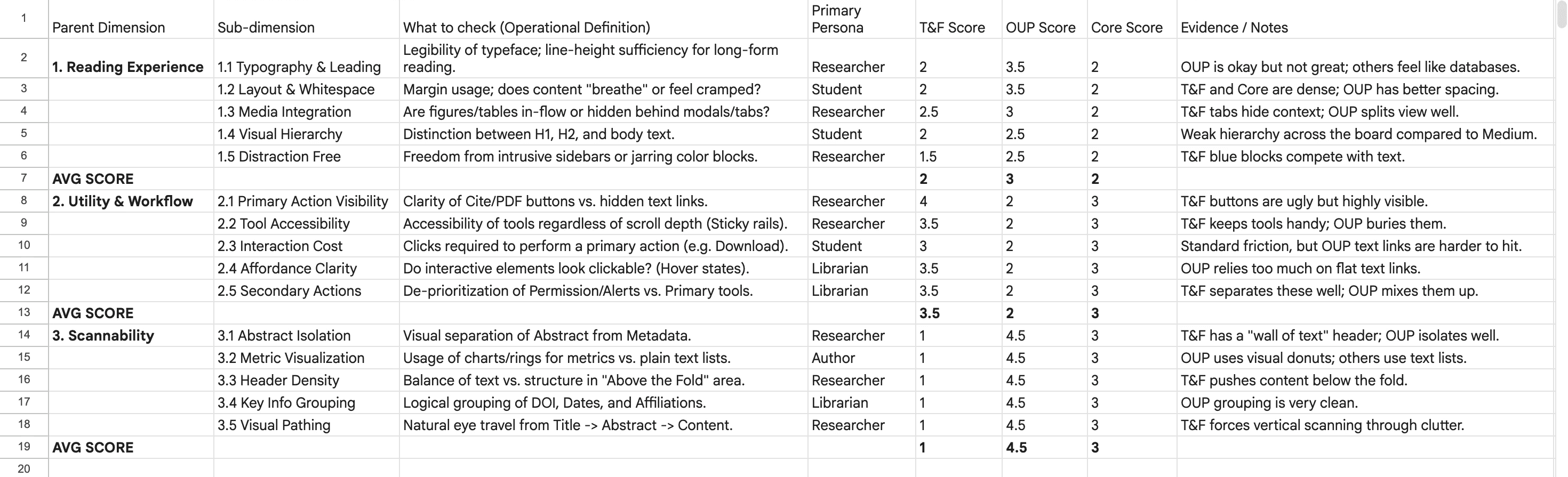
I audited each platform against a 5-point scale across our three strategic pillars: Reading Experience, Utility & Workflow, and Scannability. The data revealed a clear hierarchy in the market.


Pillar 1: Reading Experience
While Oxford (OUP) offered a better reading experience than the others, all 3 platforms significantly lagged behind consumer standards like Medium or Substack. We saw a clear opportunity here to elevate our reading experience.
OUP: 3/5
T&F: 2/5
Core: 2/5
Pillar 2: Utility & Workflow
Finding the most important action should be effortless. While Taylor & Francis (T&F) makes tools visible, the layout is cluttered and messy. We identified a need to give primary actions (Cite, PDF) distinct visual prominence without adding clutter.
T&F: 3.5/5
Core: 3/5
OUP: 2/5
Pillar 3: Scannability
Oxford (OUP) leads the market in "at-a-glance" assessment, successfully isolating the Abstract and Impact Metrics for quick scanning.
OUP: 4.5/5
Core: 3/5
T&F: 1/5
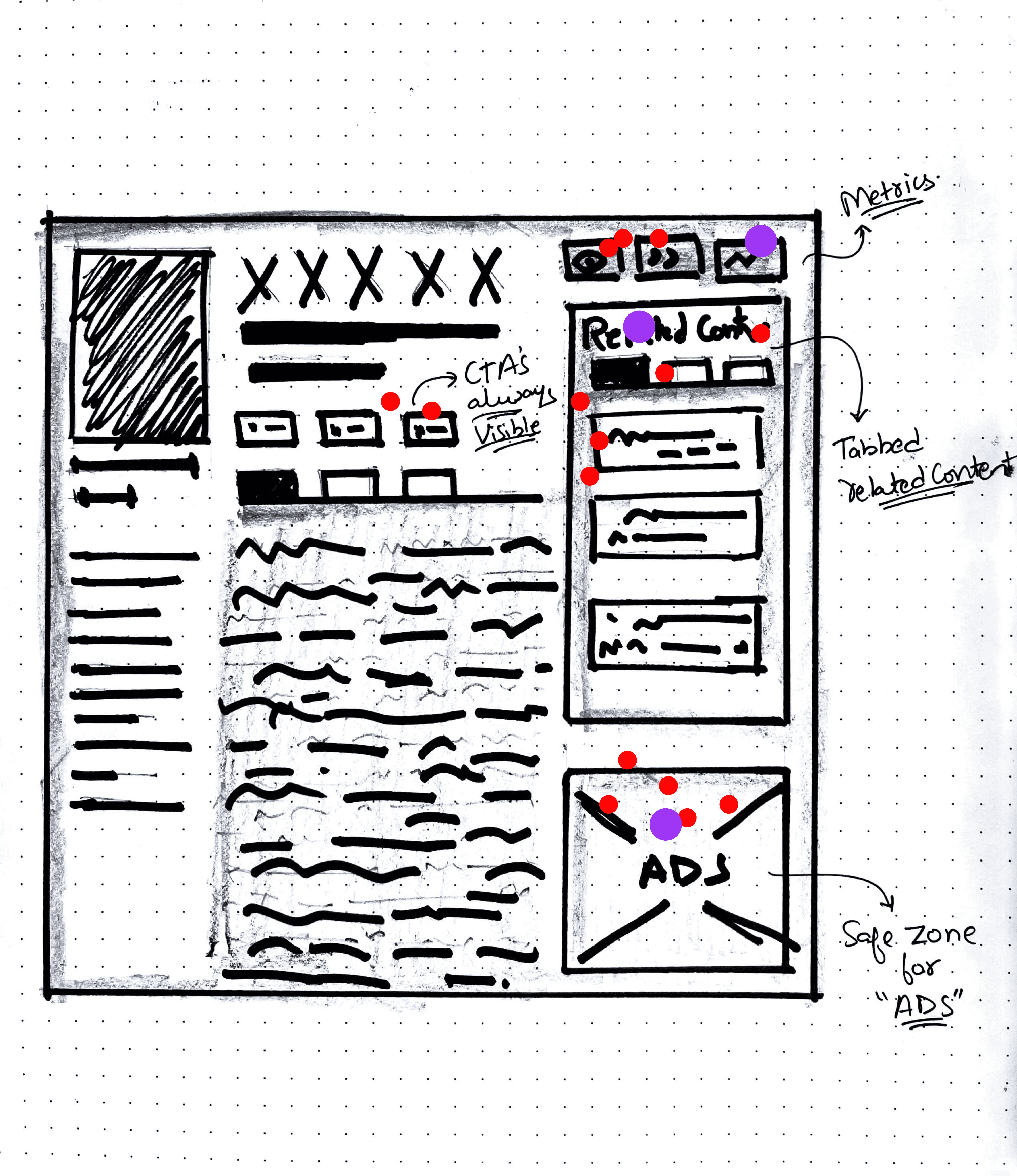
To align on a single vision, our Head of UX facilitated the ideation workshop using card sorting and solution sketching. We closed the session with dot voting where my concept secured most of the teams votes (red dots) and the Director’s deciding vote (purple vote)
I proposed placing the ad slot in the bottom-right rail, visually separated from the main content. This satisfied the revenue requirement without interrupting the user’s F-Pattern reading flow.
The related contents are now segmented by format (articles, journals, books) instead of one long mixed list. This lets us gently cross-promote more of the catalogue without cluttering the page.
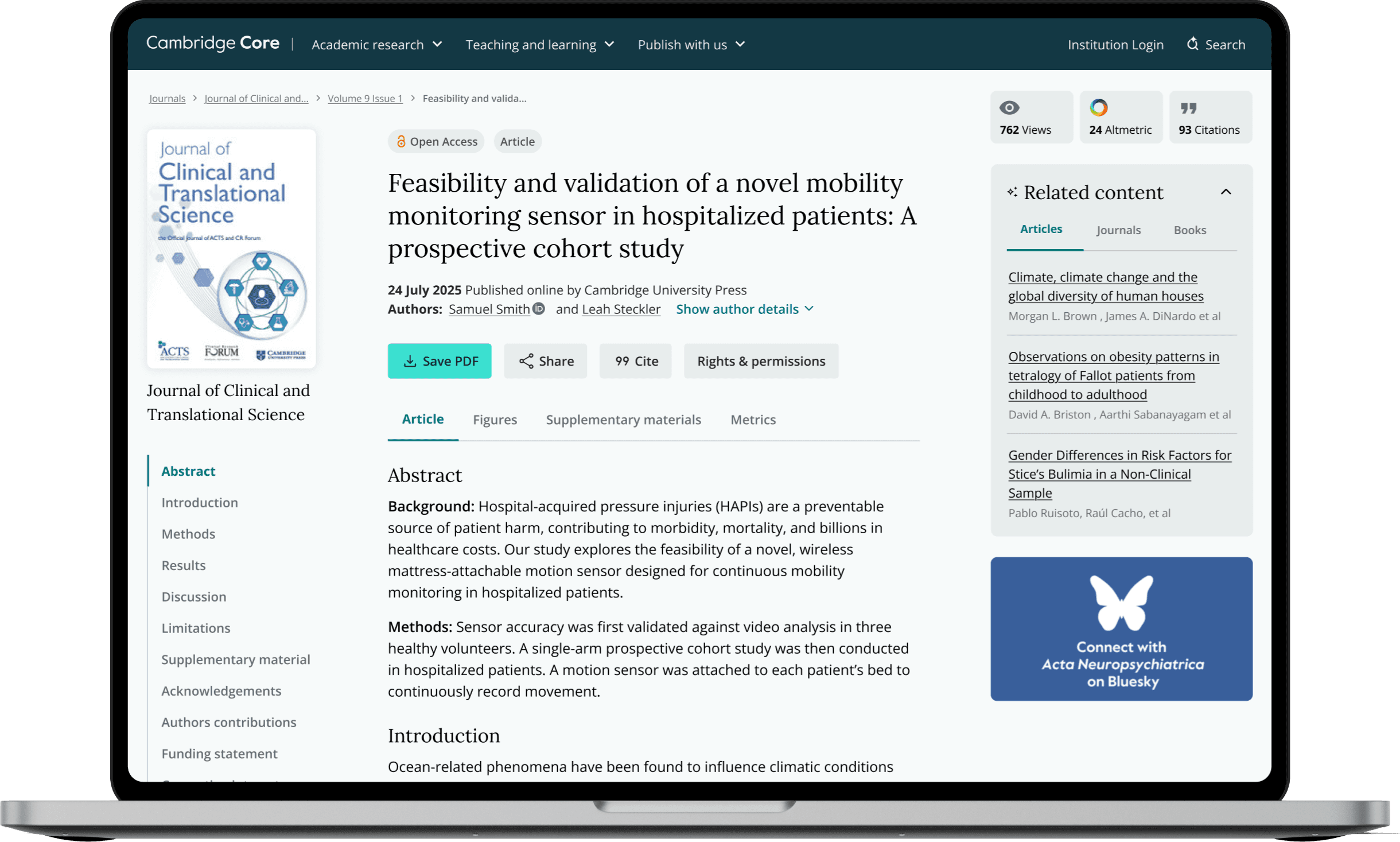
I moved the key actions (Save PDF, Cite) out of the Article tab and placed them above the content. This ensures the main CTAs are always visible, no matter which tab is active.
The final concept translates our strategic requirements into a high-fidelity vision. By moving away from a "database" aesthetic to an "editorial" one, we defined a new quality standard for the future.
Before
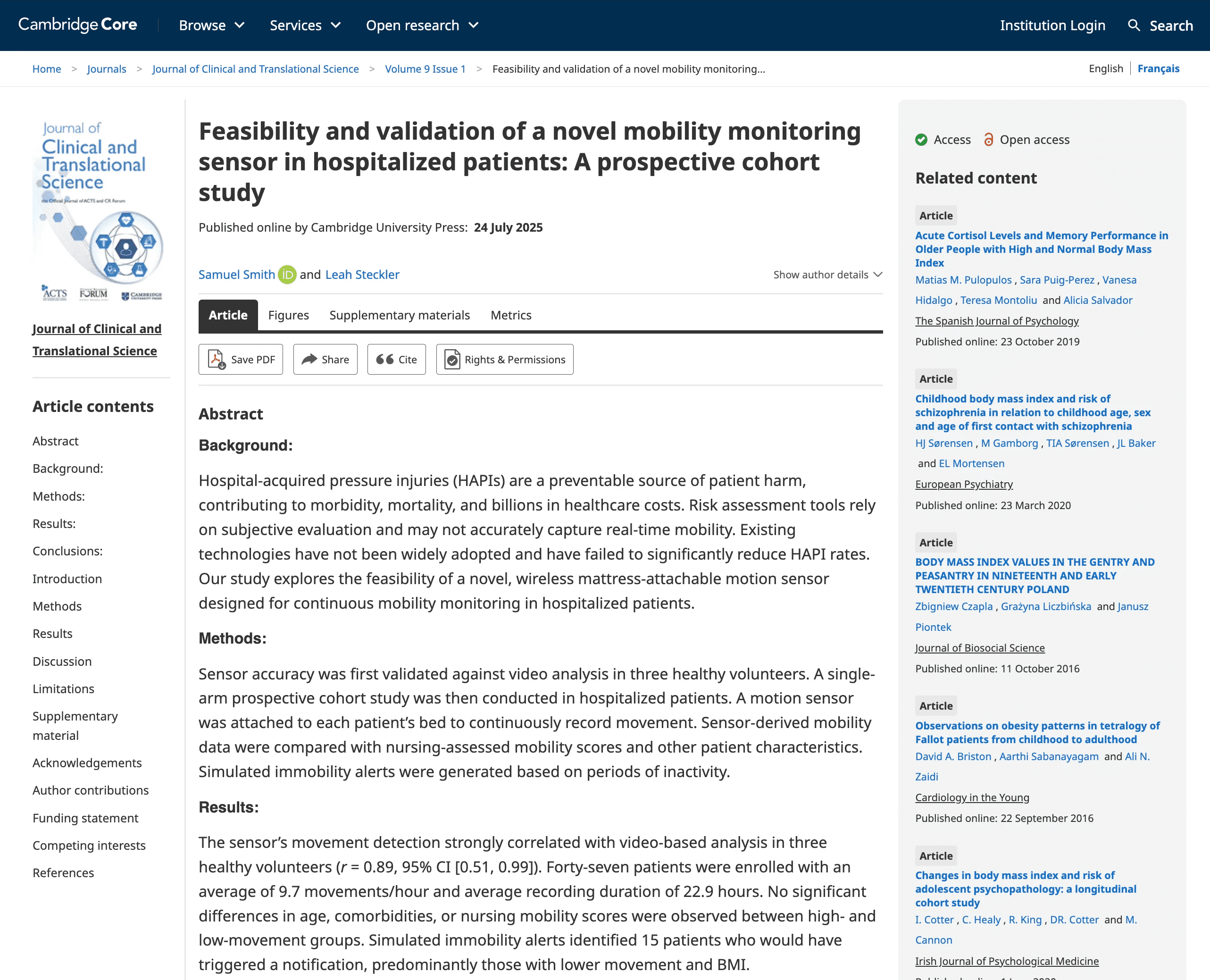
After
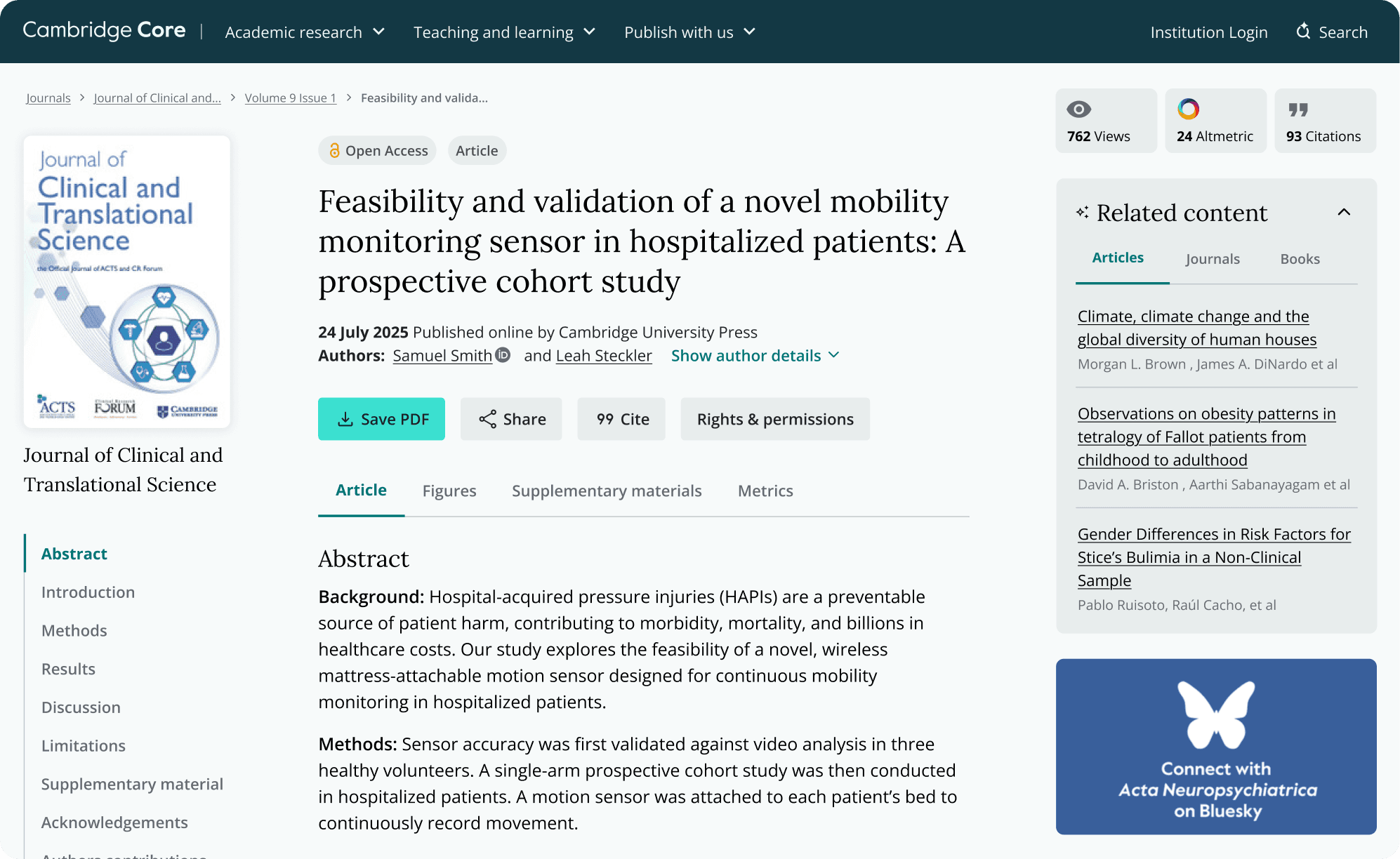
Highlighted key actions
As defined in the workshop, I placed key actions like Save PDF and Cite above the article tabs. This instantly improved the information architecture, making key actions significantly more visible.
Elevating "Cambridge Brand"
I utilised the new brand palette and serif typeface to create a modern 'editorial' feel. This elevates the reading experience to match platforms like Medium, while signaling Cambridge’s academic authority. The switch to the serif typeface was unanimously backed by the Director, who noted how instantly it strengthened our brand recognition.
A more useful right column
I completely reworked the right sidebar to maximise utility. Impact metrics now sit at the top for quick scanning, related content is neatly segmented into relevant content tabs, and ads are tucked into a “safe zone” at the bottom; supporting business goals without disrupting the reading experience.
From Concept to Strategy This project wasn't about shipping code immediately; it was about defining the “North Star” vision for the future. The final concepts were incorporated directly into the Director’s strategic pitch deck.
Strategy is rarely ever a solo activity. Working closely with Head of UX and our Director allowed me to see how design decisions ripple up to execution strategy. I learned that the best way to influence leadership isn’t to defend a design, but to involve them in the process (like the “purple dot vote), making them co-owners of the solution.